The May Wabanaki Voices column was written by Maulian Bryant, a citizen of the Penobscot Nation and executive director of the Wabanaki Alliance. Wabanaki voices is a monthly column in the Bangor Daily News opinion section that shares tribal perspectives. Read all Wabanaki Voices columns here.
At Panawahpskek (Penobscot Nation), the arrival of April is a sacred transition. The ice breaks, the river begins to rush with a new intensity, and we prepare for the return of the winged and finned relatives who have sustained our people for ten thousand years. We talk about stewardship, we celebrate the “People of the Dawn,” and we lean into the promises of Earth Day. But for those of us who live in the literal shadow of the state’s industrial waste, those promises often feel hollow.
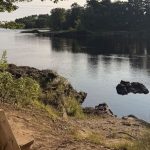
The Penobscot River is our oldest citizen. It is our heart. As the original stewards, our connection to this water is our identity. Our sovereignty is rooted in the health of this river; without the ability to safely practice our sustenance rights, to fish and gather as our ancestors did, our self-determination is unrealized.
We saw the smoke. We felt the heavy, acrid weight in the air. But on the Island, we were left in the dark. No sirens, no emergency alerts, no phone calls from the state or the operators to warn the Tribal Nation downwind that a mountain of waste was burning.
It was a visceral, frightening reminder to me that in the eyes of the current waste management system, our lives and our river are an afterthought. While the state discusses ” public benefit” and “waste capacity,” our community was breathing in the potential toxins. When ash falls on the ancestral home of the Penobscot, and no one in power thinks to tell us why, there is a huge gap between “environmental protection” and reality.
Beyond the smoke, there is the leachate laden with PFAS that is pulled from that landfill and eventually discharged into the river. We have worked so hard to bring the salmon and the sturgeon back. We have removed dams and watched the river breathe again. But what does it mean to have the fish return if we cannot eat them?
However, as we look toward the future, we refuse to let that night in May 2023 be the final word. We are in a season of transition, not just in nature, but in leadership.
We are ready for a partnership built on true consultation, not just notification. We envision an administration that understands that protecting the Penobscot River is not a burden to the economy, but a foundational duty to the people.
We look forward to working with leaders who recognize that Wabanaki sovereignty and environmental health are two sides of the same coin.
The Penobscot Nation has survived centuries of attempts to dam, pollute, and erase us. We are still here, and we are still the stewards of this water. My hope is that our next chapter at the State House reflects the beauty and resilience of the river itself — moving past the toxic legacy of the past and toward a future where the health of the Penobscot River is protected for the next seven generations.