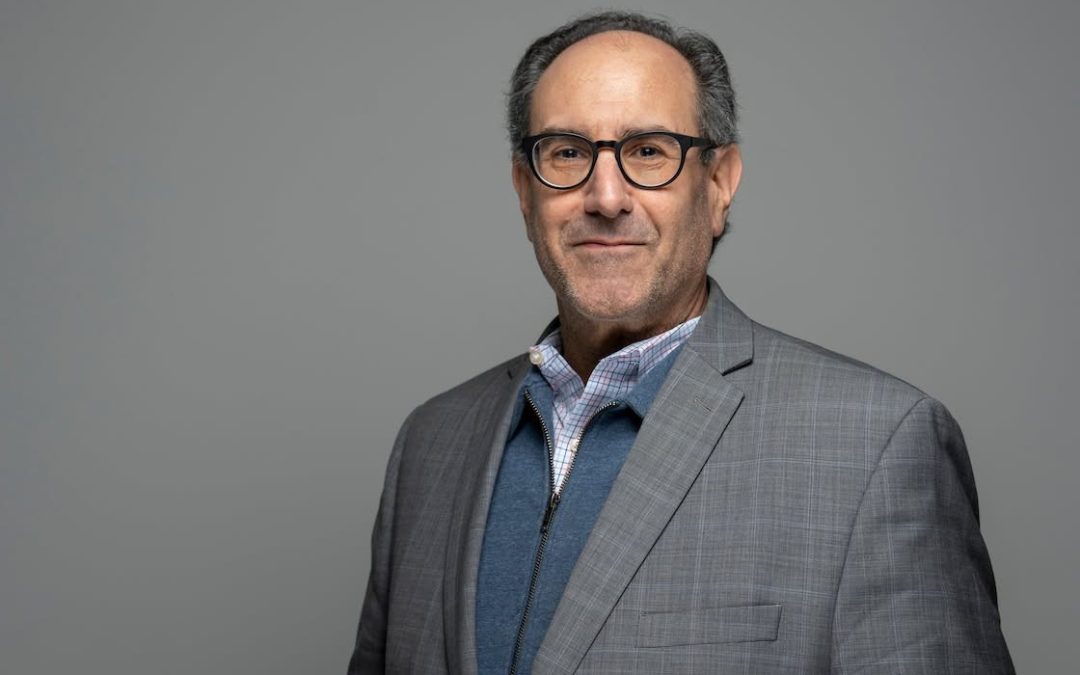
Darren Ranco, chair of Native American Programs and professor of anthropology at the University of Maine, is one of six individuals honored by the Wabanaki Alliance at the 2026 Nihkaniyane event on October 1 in Freeport.
Ranco holds a doctorate in Anthropology from Harvard University and Master of Studies in Environmental Law from Vermont Law School. As a citizen of the Penobscot Nation, his work as at the University of Maine emphasizes environmental justice, land return, and using his position as an interdisciplinary scholar to help the Wabanaki people. He focuses on rematriation, land return, and making it environmentally safe for Wabanaki people to continue traditional sustenance foodways practices. Ranco grew up in Orono, with his dad (a Penobscot Nation citizen) having moved there before Ranco was born. He was mentored by Ted Mitchell and, along with his older brothers, encouraged to attend college. Ranco benefitted from the Mellen Foundation initiative that funded his study as a minority student at Dartmouth College at a time when there was significant Indigenous presence at Dartmouth. It was there he became fascinated with anthropology. He went on to get his PhD at Harvard in this field.
Working with a toxicologist with the EPA, Ranco co-authored a key paper describing pollution pathways for Wabanaki traditional diets. This report, Wabanaki Traditional Cultural Lifeways Exposure Scenario, led to stricter environmental regulations for safe sustenance fish consumption. It has become a benchmark reference point for legal arguments supporting Wabanaki rights to fish and hunt and gather traditional foods safely on their land. Ranco was a key architect of the Memorandum of Understanding between the University of Maine (Orono) and the Penobscot Nation whereby the University recognizes Penobscot rights and caretaking of culturally sensitive Wabanaki items that the land grant University holds. This agreement also finalized Penobscot language signage throughout the University of Maine Orono campus. In 2021, Ranco helped found the Wabanaki Commission on Land and Stewardship that facilitates land returns. He serves as its Executive Director sharing a joint leadership model with Suzanne Greenlaw and Tony Sutton, who call themselves the “three sisters” of the commission, emphasizing that like the traditional combination of corns, beans, and squash each of them are needed to lead the work. Ranco was made a full tenured professor at the University of Maine, Orono, in 2022. He serves there also as a faculty fellow at the Mitchell Center for Sustainability Solutions, and has recently been recognized with a University of Maine Presidential Public Engagement Achievement Award.
Growing up in Orono with strong family ties to Indian Island, Ranco understood himself as an “insider-outsider,” a citizen of the Penobscot Nation who did not live on the island. This challenge of identity stayed with him going to college at Dartmouth where many of the Indigenous students were from Western tribal nations with very different histories than the Indigenous people of the northeastern United States. Ranco’s love of people – of hearing people’s stories, of connecting with what people need and how he can help them – stems from his own experience as an “insider-outsider,” as questions of identity and how we shape notions of identity drew him to anthropology. He notes that anthropology for him is a way to “love people, to take people on their own terms, to presuppose nothing.” Striving to learn how to make anthropology and academia a support for Indigenous people, “making sure their [Wabanaki] vision and needs are met by these institutions that have ignored them and kept them out of defining what is critical to knowledge,” Ranco is intent on “always bringing Native knowledge” into the conversation. He feels he is in a constant state of needing to learn how to do it better, engaging with his people to understand how “I might do it better next time because decolonization keeps needing engagement.” Of his work for the community, Ranco confesses “I never presume I’ve figured it out and I keep going and trying to make it better.” Ranco was named a Ford Foundation fellow in 2023 and began an extensive and ongoing project Decolonizing Land Relations in the Dawnland: Landback and Rematriation Across Wabanakik with the salient goal of engaging and promoting collaborative practices of land return. He has given public lectures on this work with publication forthcoming.
A widely published interdisciplinary scholar who seeks to make anthropology and academia a support for Indigenous people, Ranco notes that “as an Indigenous scholar I want to help the community: what I want from anthropology is to support and understand the community,” to leverage anthropology for “community advocacy and change.” In his landmark essay Toward a Native Anthropology, Dr Ranco notes that for him anthropology is above all “a way to help my community communicate our struggles for survival” and to “to help my community regain control over our culture and resources.” As a very young anthropologist, he realized early on that he “did not want to create linguistic cages for the experiences of my friends and relatives back home—the stakes were too high for my community for me to make a mistake.” This care and wariness allowed him to create a career in which he “uses anthropology as a tool to advocate an indigenous perspective.”
Throughout his career, Ranco has put these words into action, acting as a bridge between settler academia and Wabanaki culture. He has supported emerging Wabanaki scholars and worked tirelessly to facilitate return of lands. He notes that he strives in his work to make use of his anthropological training and his position in settler academia “by communicating our [Wabanaki] needs to policymakers and scholars who have the ability to influence and change the ways that environmental policy is conceived and implemented.” Ranco’s identity as a Penobscot citizen stands above all other commitments. As he states “I am engaged, like many other Native researchers I know, in community-based research projects that involve proprietary information (because it is culturally sensitive or potentially part of a future lawsuit or other legal action), which I cannot, and would never imagine, publishing in the public domain.” This ability to create knowledge as a scholar solely for the benefit of his people rather than his own career advancement is key to understanding Ranco Ranco. His ethics are Wabanaki ethics and they are foundational to all he does. This spirit of community and generosity shows through in his interactions with settlers as well as always with his own people. As he says, “If I can help you, I will. I always want to help.”
Return to the Nihkaniyane: Let’s Go Forward Together post to read more about the other 2026 honorees.